
Chinese Tones Made Easy – A Beginner's Guide
Key Takeaway:
Don't be overwhelmed by Mandarin's four tones! Learn simple techniques for hearing, speaking and remembering them correctly with this practical guide.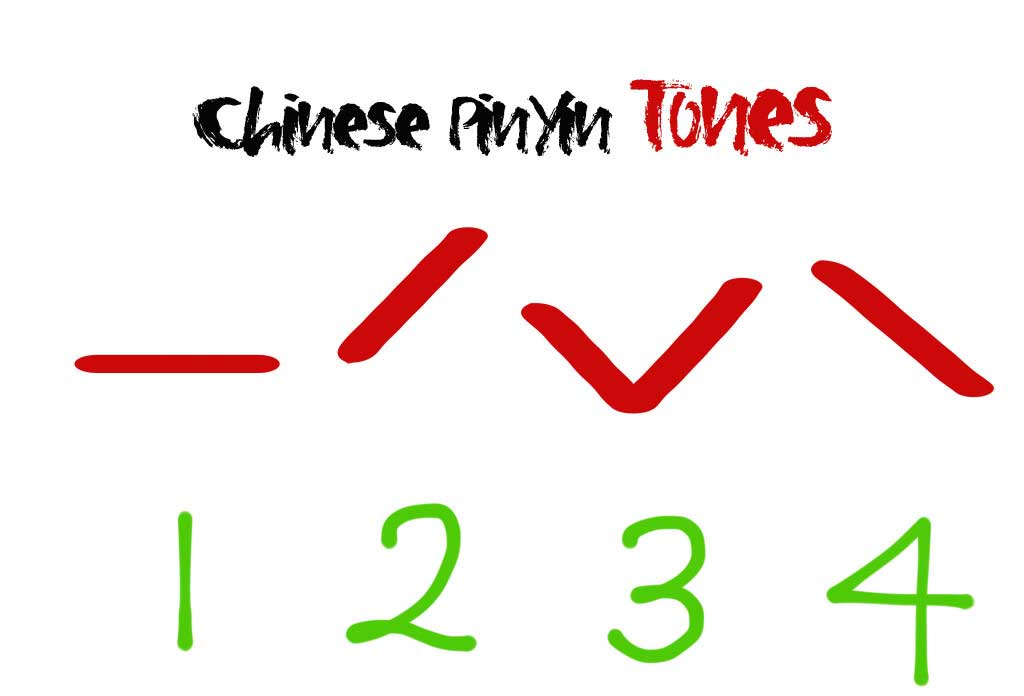
Learning Chinese tones feels overwhelming at first, right? Those rising and falling sounds seem impossible to get right. But here's the truth: mastering tones is easier than you think when you use the right techniques.
In this guide, I'll show you exactly how to learn Chinese tones quickly—with simple methods that actually work.
What Are Chinese Tones?
Chinese is a tonal language, which means the pitch of your voice changes the meaning of words. The same sound “ma" can mean four completely different things depending on the tone:
- mā (妈) = mother (1st tone: high and flat)
- má (麻) = hemp (2nd tone: rising)
- mǎ (马) = horse (3rd tone: dipping)
- mà (骂) = scold (4th tone: falling)
Get the tone wrong, and you might accidentally call your mother a horse! 🐴
If you're just starting out, check out my guide on how to start learning Chinese from scratch for a complete roadmap.
The 4 Tones in Mandarin Chinese
Let's break down each tone with clear examples:
1st Tone: High and Flat (ˉ)
Think of: Singing a high note steadily
Example: 妈 (mā) – mother
Tip: Keep your pitch high without going up or down
2nd Tone: Rising (ˊ)
Think of: Asking “What?" in English
Example: 麻 (má) – hemp
Tip: Start mid-level and rise sharply
3rd Tone: Dipping (ˇ)
Think of: Saying “Oh really?" with skepticism
Example: 马 (mǎ) – horse
Tip: Dip low, then rise slightly at the end
4th Tone: Falling (ˋ)
Think of: Commanding “Stop!"
Example: 骂 (mà) – scold
Tip: Sharp, quick drop from high to low
Neutral Tone (no mark)
Think of: A light, unstressed syllable
Example: 吗 (ma) – question particle
Tip: Short and soft, no specific pitch

Why Chinese Tones Are Hard (And How to Fix It)
The Problem: Your brain isn't used to using pitch to distinguish meaning. In English, we use pitch for emotion, not meaning.
The Solution: Train your ear and mouth separately:
- Listen first: Focus on hearing the differences before speaking
- Exaggerate: Make your tones more dramatic than native speakers
- Practice daily: Even 10 minutes a day makes a huge difference
5 Techniques to Master Tones Faster
1. Use Hand Gestures
Move your hand to match each tone:
- 1st tone: Hold hand flat at eye level
- 2nd tone: Sweep hand upward
- 3rd tone: Dip hand down, then up slightly
- 4th tone: Chop hand downward sharply
Why it works: Physical movement reinforces muscle memory.
2. Learn Tone Pairs
Practice common two-syllable combinations:
- 你好 (nǐ hǎo) – 3rd + 3rd tone
- 中国 (zhōng guó) – 1st + 2nd tone
- 谢谢 (xiè xiè) – 4th + 4th tone
Pro tip: When two 3rd tones appear together, the first becomes a 2nd tone!
3. Record Yourself
Use your phone to record yourself saying words, then compare with native audio.
How to do it:
- Say a word (e.g., 马 mǎ)
- Record it
- Listen to native pronunciation
- Record again
- Compare until they match
4. Listen to Native Audio Daily
Your ears need training too! Listen to:
- Chinese podcasts (even if you don't understand everything)
- Children's songs (they're slower and clearer)
- Language apps with native speaker audio
- YouTube videos with pinyin subtitles
Want to practice speaking what you hear? Read my guide on how to practice Chinese speaking alone for effective techniques.
5. Use Tone Drills
Practice all tone combinations with one syllable:
Example with “ma":
- mā – mā – mā – mā (all 1st tone)
- má – má – má – má (all 2nd tone)
- mǎ – mǎ – mǎ – mǎ (all 3rd tone)
- mà – mà – mà – mà (all 4th tone)
Then mix them: mā – má – mǎ – mà
Practice Exercises
Exercise 1: Minimal Pairs
Practice words that differ only by tone:
- 买 (mǎi) – buy vs. 卖 (mài) – sell
- 汤 (tāng) – soup vs. 糖 (táng) – sugar
- 狗 (gǒu) – dog vs. 够 (gòu) – enough
Exercise 2: Tone Combination Practice
Say these common phrases slowly:
- 早上 (zǎo shàng) – morning (3rd + 4th)
- 学习 (xué xí) – study (2nd + 2nd)
- 电脑 (diàn nǎo) – computer (4th + 3rd)
Once you've mastered tones, the next challenge is Chinese grammar. Learn about Chinese sentence structure basics to start forming correct sentences.
Exercise 3: The “Ma" Sentence Challenge
Can you say this correctly?
妈妈骑马,马慢,妈妈骂马
(Mā ma qí mǎ, mǎ màn, mā ma mà mǎ)
“Mom rides a horse. The horse is slow. Mom scolds the horse."
Common Mistakes to Avoid
❌ Mistake #1: Forgetting the 3rd Tone Rule
When two 3rd tones meet, pronounce the first as a 2nd tone.
Wrong: nǐ hǎo (both 3rd tone)
Right: ní hǎo (2nd + 3rd tone)
❌ Mistake #2: Making Tones Too Subtle
Beginners often don't exaggerate enough. Make your tones MORE dramatic than native speakers at first.
❌ Mistake #3: Learning Words Without Tones
Always learn the tone WITH the word. Don't memorize “ma" separately from “mā, má, mǎ, mà."
❌ Mistake #4: Ignoring Tones
Even when practicing alone, get the tones right! Bad habits are hard to break later.
Best Resources for Practicing Tones
Apps:
- HelloChinese: Interactive tone practice
- Pleco: Audio flashcards with native pronunciation
- ChineseSkill: Gamified tone drills
YouTube Channels:
- Yoyo Chinese: Clear tone explanations
- ChinesePod: Real-life conversations
- Learn Chinese with Emma: Beginner-friendly
Websites:
- Forvo.com: Native speaker pronunciations
- Dong Chinese: Tone pair practice
Final Tips
- Be patient: It takes most learners 2-3 months to feel comfortable with tones
- Practice daily: 10-15 minutes every day beats 2 hours once a week
- Don't stress perfection: Native speakers will understand you even if your tones aren't perfect
- Use context: In real conversations, context helps people understand you
Your Next Steps
Now that you know how Chinese tones work, here's what to do:
- Practice the 4 basic tones with hand gestures for 5 minutes
- Record yourself saying: mā, má, mǎ, mà
- Learn 10 new words WITH their tones today
- Listen to a Chinese podcast for 10 minutes
- Learn some chinese phrases
Remember: Chinese tones seem scary at first, but with consistent practice, they become natural. You've got this! 💪
🎯 Ready to Master Chinese Tones with Expert Guidance?
While self-study is powerful, working with an experienced teacher can accelerate your progress dramatically. I'm Candice, a professional Mandarin tutor specializing in helping beginners master pronunciation and tones from day one.
What you'll get in my lessons:
- ✅ Personalized tone correction and feedback
- ✅ Structured practice tailored to your level
- ✅ Real-time pronunciation coaching
- ✅ Proven methods to fix common tone mistakes
👉 Explore my online Chinese lessons and see how I can help you sound natural in Mandarin.
Want to know more about my teaching approach? Learn about my background and experience.
Check out my lesson packages and pricing to find the perfect option for your learning goals.
Ready to get started? Contact me today to book your first lesson and start speaking Chinese with confidence!
What's the hardest tone for you? Let me know in the comments below!